|
| Jumilla Castle |
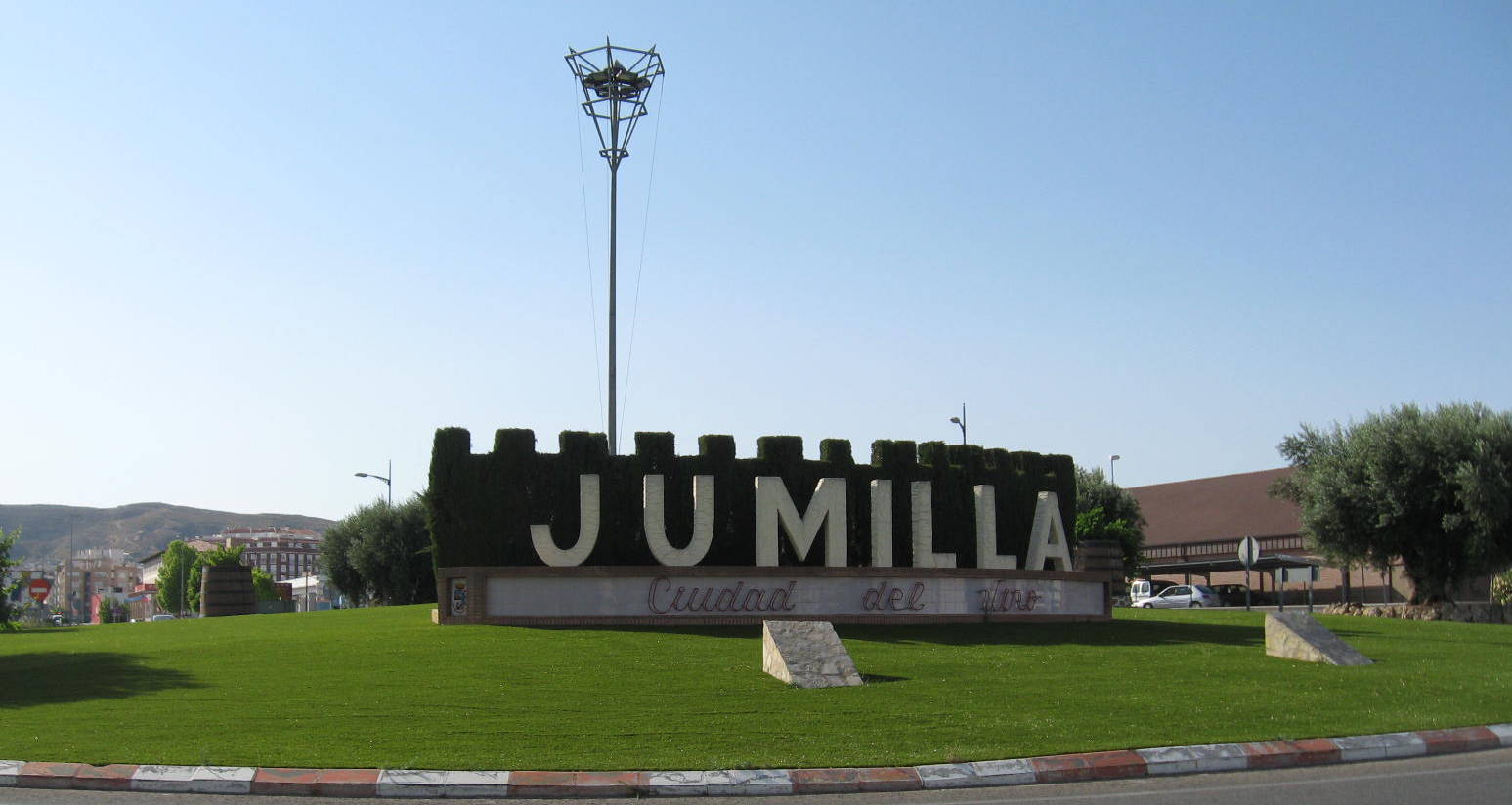
A couple of readers have shown an interest in the fact that although we are Brits we live in Spain, so I thought I would give a summary of our story and answer the following questions. What was behind our decision to move to Spain? How did we end up living in the Spanish town of Jumilla?
Like many others nearing retirement our dream was, once we retired, to live somewhere with a better climate than the UK . We were living and working in London at the time, and I faced a daily commute to work. It was a fairly stressful lifestyle, so we hoped to find somewhere where we could relax and be almost free from stress. We also wanted to live somewhere that was cheaper than London so that our pensions would go further!
We considered several destinations before deciding on Spain and then went on many viewing trips to different areas within Spain before making our final choice. The most important considerations for us were to live in or near a working Spanish town rather than an expat urbanisation; to have reliable public transport, as we don't drive; to have a variety of shops, bars and restaurants within the town - so that we didn't miss all the facilities that London has to offer
too much. We decided that we would prefer to live inland, partly because property there is cheaper than on the coast, partly because we didn't fancy putting up with masses of tourists during the summer months, but mainly because we wanted to experience the "real" Spain.
As soon as we visited Jumilla on a viewing trip we knew that this was somewhere where we could live quite happily. The main shopping centre is fairly small, however there are four large supermarkets plus traditional fruit and veg shops, butchers, bakers and fish-mongers. I'm sure there must be a candle-stick maker tucked away on one of the back streets too! I love the freshness and flavour of these local products and also, of course, the prices. The Tuesday market is excellent and always attracts the few other Brits who live in this area, most of them either in the depths of the countryside or in one of the nearby villages.
Jumilla is very much an agricultural community, with lots of fresh fruit grown locally as well as olives (we can buy extra virgin olive oil direct from the producer, about 600 metres from our house), almonds and above all grapes. The main "industry" in Jumilla is wine, with several bodegas located in the town, three of which are within easy walking distance of our new home. As wine drinkers, this is an extra benefit of living here!
There are many herds of goats in the countryside too, as another local industry is cheese-making.
Central Quesera Montesinos has won many international awards for its fine cheeses. If you enjoy cheese and wine parties, I can assure you that Jumilla is a good place to live!
I'm not sure how many bars and restaurants there are in Jumilla, but when you consider that 26 of them are taking part in the
Ruta del Tapa next month (2€ for a tapa and glass of wine), and we can think of many more that
aren't participating, it is obvious that we have more than enough to choose from. We go out for a coffee most days and pay a maximum of 2€ for the two of us. If we fancy a three-course lunch with wine and coffee included, we know many good bars and restaurants where it will only cost us between 8 and 12€ per head. Did I mention that living here is cheaper than in London?
 |
| Teatro Vico |
Talking about prices, we have enjoyed a variety of concerts, dance displays and other theatrical activities in our local theatre, where the most we have paid for seats in the stalls has been 12€. We usually pay 5€ to watch any local dancers, choirs or bands. Throughout the year there are many free concerts held outside in gardens or squares, plus any procession through the streets of Jumilla is almost guaranteed to include at least one marching band.
Although Jumilla may not be a well-known tourist destination, there is plenty of interest for people who enjoy history. Historical sites include:
La Hoya de la Sima, 11km outside town, where you can see fossils footprints, including those of the sabre-toothed tiger, camel and three-toed horse;
El Casón, the 5th century funerary monument, which is one of the best-preserved in the world; the 15th century Santiago Church, which is a National Monument, and of course our recently restored Castle, which dominates the skyline as you approach Jumilla.
Finally, here is a link to a video showing some views of Jumilla, with a sound-track provided by our good friend Johnny Pugh, who just happens to live near Jumilla: enjoy!